
Joint Tenants vs Tenants in Common in WA: What Buyers Need to Know at Settlement
If you’re buying property with someone else in Western Australia, your settlement agent will ask you one question that catches most co-buyers off guard: will you hold the property as joint tenants or tenants in common?
In Western Australia, property co-owners must choose one of two ownership structures at settlement: joint tenants or tenants in common. Whether you’ve searched for tenants in common versus joint tenants, or joint tenancy vs tenants in common, this guide covers what each term means, how the choice is recorded, and why your settlement agent can explain the mechanics but not tell you which one to pick.
This choice is recorded on the Transfer of Land and affects what happens to your share of the property in the future, including if one owner passes away.
Joint Tenants vs Tenants in Common: Key Differences at a Glance
| Feature | Joint Tenants | Tenants in Common |
| Ownership share | Equal, undivided share for all owners | Defined share for each owner (equal or unequal) |
| Right of survivorship | Yes, share passes automatically to surviving owner(s) | No, share does not automatically pass to co-owners |
| What happens on death | Share passes outside the estate, directly to surviving owner(s) | Share forms part of the deceased’s estate and is distributed per their will |
| Can shares be unequal? | No, all owners hold an identical interest | Yes, for example, 60/40 or 70/30 splits are common |
| Common among | Married couples, de facto partners | Friends, siblings, business partners, blended families, investors |
| Changed after settlement? | Yes, via a separate Landgate lodgement | Yes, via a separate Landgate lodgement |
Not sure how this affects your upcoming purchase? Contact Strategic Settlements before settlement day and our team can walk you through how your ownership structure will be recorded.
What Is Joint Tenancy in Western Australia?
Joint tenants in Western Australia hold property with a right of survivorship: if one owner dies, their share passes automatically to the surviving owner and does not form part of their estate. All joint tenants hold an equal, undivided interest in the whole property; none of them owns a specific percentage or portion.
This structure is common among married couples and de facto partners buying a home together. It reflects how survivorship works: the property passes directly to the surviving partner without needing to go through probate, the court process for administering a deceased person’s estate.
What Is Tenants in Common in Western Australia?
Tenants in common in Western Australia each hold a defined share of the property: that share passes to their estate on death and is distributed according to their will. Unlike joint tenants, shares don’t have to be equal. Two co-buyers might hold a 50/50 split, or a 70/30 split reflecting different deposit contributions.
This structure is common among friends, siblings, and business partners buying together. It’s also common among blended families, where each owner wants their share to pass to their own children or beneficiaries rather than automatically to a co-owner. Capital gains tax implications on the transfer, sale, or inheritance of a share in jointly owned property should be discussed with a qualified tax professional. Settlement agents cannot provide tax advice.
How the Ownership Structure Is Recorded at Settlement
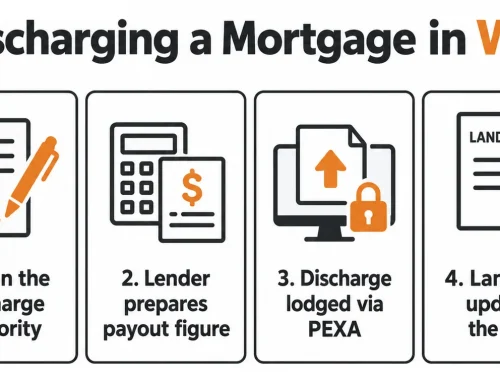
The ownership structure is recorded by the settlement agent in the Transfer of Land document lodged with Landgate, Western Australia’s land titles registry, at the time of purchase. This is part of the role of a settlement agent in Western Australia. They prepare the correct paperwork and lodge it with the right authority, so your certificate of title reflects your intended ownership structure from day one. This registration requirement comes from the Transfer of Land Act 1893 (WA), which governs how ownership interests in land are recorded in Western Australia.
Once registered, the certificate of title issued by Landgate shows which structure applies. Joint tenants are shown holding the property simply “as joint tenants.” Tenants in common are shown with each owner’s specific share stated as a fraction, for example “as tenants in common” with an undivided half share each.
This is why it’s worth confirming your decision before settlement day. It’s a step in the property settlement process in Perth that co-buyers sometimes overlook until their settlement agent raises it.
If a Transfer of Land doesn’t specify a tenancy, Section 60 of the Transfer of Land Act 1893 (WA) deems the co-owners to be joint tenants by default. In practice this rarely happens, because Landgate’s title policy requires every digital title to state a tenancy in the proprietorship section, so co-owners must actively record their choice rather than leave it to the default rule.
Changing from Joint Tenants to Tenants in Common After Settlement
Changing from joint tenants to tenants in common after settlement requires a separate Landgate lodgement. A settlement agent cannot do this unilaterally. This process, known as severing a joint tenancy, typically requires a Transfer or a Notice of Severance to be prepared and lodged. Any co-owner can generally initiate it without the consent of the others.
Severance affects legal ownership rights, so this is a matter for a solicitor to advise on and prepare. Settlement agents cannot advise on the legal process or implications of severing a joint tenancy.
Costs and timeframes for severance vary depending on your solicitor’s fees and Landgate’s processing times. Check Landgate’s current lodgement fees and ask your solicitor for a cost estimate before starting the process.
Which Structure Should You Choose?
Strategic Settlements cannot advise you on which ownership structure is right for your situation. This decision falls outside the scope of settlement agent services and carries real implications for estate planning, tax, and family circumstances.
If you’re unsure whether joint tenants or tenants in common suits your situation, speak with a solicitor or a qualified financial adviser before settlement. They can assess your personal, financial, and family circumstances and help you decide.
Frequently Asked Questions
What’s the main difference between joint tenants and tenants in common in Western Australia?
Joint tenants hold an equal, undivided share with a right of survivorship, meaning a deceased owner’s share passes automatically to the surviving owner. Tenants in common hold defined, individual shares that pass to the deceased owner’s estate rather than to the co-owner.
Can two people hold unequal shares as joint tenants in Western Australia?
No. Joint tenants must hold an identical, equal share in the whole property. If you want to record unequal shares, for example reflecting different deposit contributions, tenants in common is the structure that allows this.
What happens to my share if I’m a tenant in common and I die?
Your share forms part of your estate and is distributed according to your will, rather than passing automatically to your co-owner. A solicitor can advise on how this interacts with your broader estate planning.
Can I change from joint tenants to tenants in common after settlement in Western Australia?
Yes, through a process called severance of joint tenancy, which requires a separate lodgement with Landgate. A settlement agent cannot prepare or advise on this. A solicitor typically handles severance.
Does my settlement agent decide which ownership structure I use?
No. Your settlement agent records the ownership structure you and your co-buyer(s) instruct at the Transfer of Land stage. They cannot advise on or recommend which structure to choose.
What happens if I don’t specify a tenancy structure in Western Australia?
Section 60 of the Transfer of Land Act 1893 (WA) deems co-owners to be joint tenants by default if no tenancy is specified. In practice, Landgate requires every digital title to state a tenancy, so you and your co-buyer will need to make this choice before settlement rather than leave it to the default rule.
Can my co-owner stop me from severing our joint tenancy in Western Australia?
Generally, no. Any co-owner can usually initiate severance without the other’s consent. If you and your co-owner disagree about severing, this is a legal matter for a solicitor to help resolve.
Talk to our team before settlement about how your ownership structure will be recorded. Contact Strategic Settlements to find out what to expect at settlement day.